
When organizations think about engagement, the focus is often on workshops, surveys,testing prototypes, reviews and interest holder consultations. These are valuable tools, but they're only one part of the relationship-building process.
Engagement is not just about gathering input for a specific initiative. It is also about creating opportunities for people to connect with an organization, build trust and see themselves as part of the conversation.
Long before someone attends a session or completes a survey, they've already decided whether to engage. That decision is shaped by the invitation they receive, the clarity of the messaging, the accessibility of the information, the ease of navigating the website and whether the process feels relevant, welcoming and worth their time.
Engagement doesn't begin when people join the conversation. It begins with every interaction leading up to it.
Every touchpoint shapes relationships
The way information is presented influences whether people understand what's being asked of them and whether they feel confident taking part.
Clear messaging, intuitive design, accessible materials and thoughtful communications help remove barriers to participation. They create experiences that allow more people to connect with an organization, regardless of their background, experience or familiarity.
These aren't simply communications decisions. They influence how people experience an organization and whether they feel there is a place for them within it.
Outreach creates opportunities for connection
Effective outreach is about more than raising awareness. It's about creating pathways for meaningful connection with the communities and interest holders an organization hopes to engage.
That often means working with trusted community partners, using different channels for different audiences and recognizing that people access information, build trust and participate in different ways.
When outreach is planned alongside engagement, organizations are better positioned to reach new audiences, strengthen existing relationships and create more inclusive conversations.
Service design builds confidence and trust
Every engagement process is also an experience.
How do people first hear about the opportunity? Is it clear how to participate? Do they understand how their feedback will be used? Are they told what happened afterward?
These moments shape whether people feel their time and perspectives were valued. They influence whether someone chooses to engage again and whether a one-time interaction becomes an ongoing relationship.
Engagement works best when it's integrated
The strongest engagement processes bring together communications, outreach, design, accessibility, facilitation and service design from the outset.
Each discipline contributes something different, but together they create experiences that are easier to understand, easier to participate in and more meaningful for everyone involved.
When organizations think about engagement as more than a series of activities, they create opportunities to build stronger relationships, foster new connections and deepen trust with the communities they serve.
Engagement is not just about who shows up. It is about how organizations create the conditions for people to connect, contribute and remain involved.
Post by Evelyne Au-Navioz
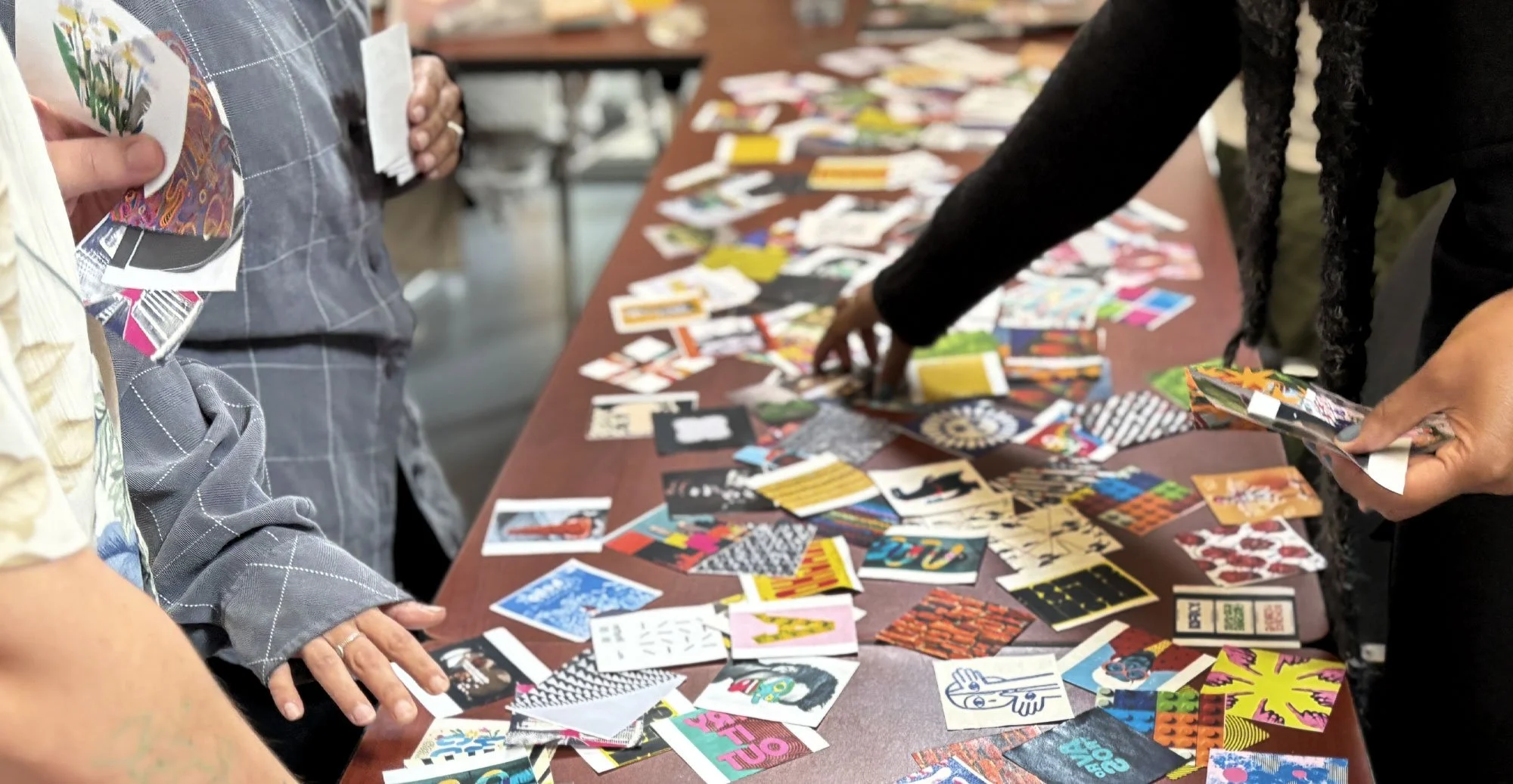
Photo from community co-creation session